

The Architecture of Vitality.
Understanding the core vitamins and minerals that fuel physical performance and mental clarity. This is a guide to the specific food sources that power an active lifestyle through the lens of modern nutrition.
Precision Micro-nutrients
Magnesium: The Energy Conductor
Essential for over 300 biochemical reactions.
Magnesium is fundamental for muscles to relax and for the body to produce ATP (adenosine triphosphate), the primary energy currency of cells. For those involved in sports, maintaining adequate levels is necessary for steady performance and efficient recovery. Without it, physical endurance often hits an early ceiling.
Vitamin D: The Foundation Catalyst
Supporting bone density and physical resilience.
Often acting more like a hormone than a vitamin, Vitamin D is a cornerstone for calcium absorption. Its role extends into the immune system and cognitive function. Rich dietary sources are less common than other vitamins, making focused food choices like fatty fish or fortified cereals a priority for year-round consistency.
Bioavailability Tip
Did you know that fat-soluble vitamins (A, D, E, and K) require healthy fats for absorption? Pairing your vegetables with a source of monounsaturated fa, like olive oil or avocado, ensures the nutrition in your food is actually utilized.
Focus Areas
- Cellular Energy Production
- Neurotransmitter Balance
- Circulatory Support
The Colorful Reality of Natural Nutrition
Vegetables and fruits are not just filler in a diet; they are the primary source of phytonutrients—compounds that assist in reducing oxidative stress caused by intense activity and environmental factors.
The darker the pigment, often the higher the concentration of these beneficial elements. This is why a varied palette on the plate is the most effective strategy for ensuring a broad intake of B-complex vitamins, Vitamin C, and essential antioxidants.
- Quercetin Found in onions & apples
- Lycopene Found in tomatoes
- B vitamin 12 Found in lean meats
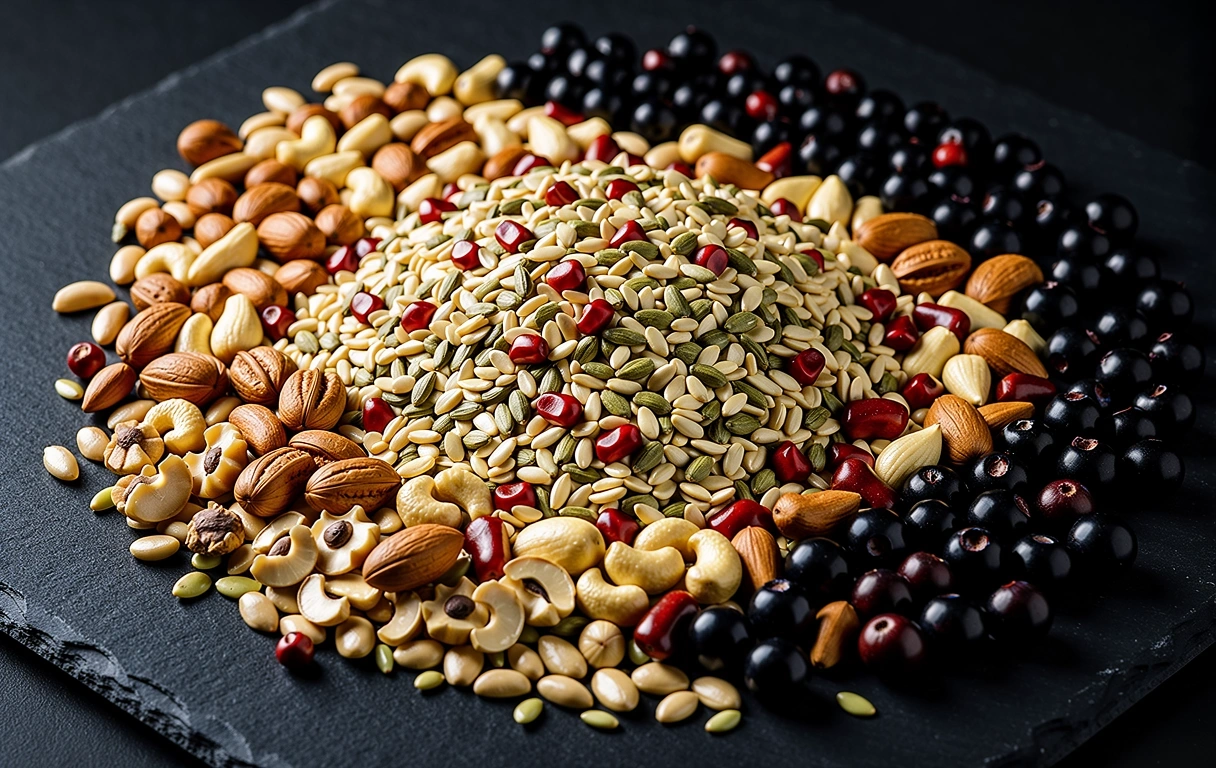
- Zinc Found in seeds & nuts
Nutrients for Mental Clarity
Omega-3 Fatty Acids
Vital for neuron membrane integrity. Regular consumption supports focus and helps maintain a balanced mood during demanding work weeks. Walnuts and flaxseeds are excellent plant-based sources.
B-Complex Vitamins
These act as catalysts for converting food into usable cognitive energy. Specifically, Vitamin B6 and B12 are involved in neurotransmitter synthesis, directly impacting alertness and brain health.
Zinc and Selenium
Often overlooked, these trace minerals are protectors of cellular health. They help manage the body's response to daily stressors and contribute to long-term cognitive resilience.

"Your performance is a direct reflection of the raw materials you provide your body. Choosing high-density nutrition is the first step toward sustained excellence."
From Theory to the Kitchen
Practical ways to incorporate these essential nutrients into your daily routine without overcomplicating your lifestyle.
The Morning Boost
Start with fiber and Vitamin C. A simple bowl of oats with blueberries and a handful of seeds sets a stable glycemic tone for the hours ahead.
Performance Lunch
Prioritize iron and magnesium. Leafy greens paired with lean proteins like lentils or turkey provide the iron needed for oxygen transport.
Recovery Dinner
Focus on healthy fats and Zinc. A piece of fish with steamed vegetables and olive oil supports the repair processes that happen during sleep.
Ready to Optimize Your Lifestyle?
Discover how these nutritional foundations translate into physical resilience and a more active, energetic day-to-day existence.